Circular saw blades for plastic
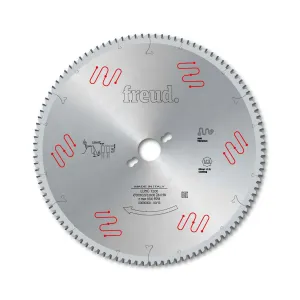
Circular saw bladess for plastic
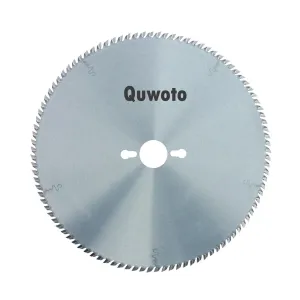
Circular saw blades for Acrylic (Plexiglass / PMMA)

Circular saw blades for Trespa (Volkern)
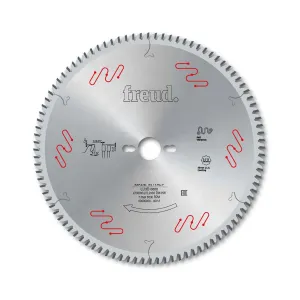
Circular saw blades for Corian & HIMACS
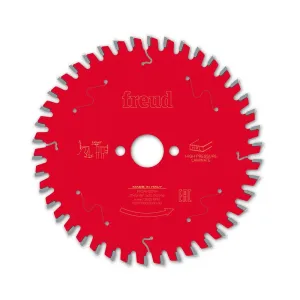
Circular saw blades for Trespa
Circular saws for plastics
Circular saws are widely used in the construction and woodworking industries, but they are they are also perfect for cutting plastics. Plastics such as Plexiglas, polycarbonate and PVC offer endless possibilities for furniture makers, interior design and construction, among others, from atmospheric interior projects to functional building applications. The right saw blade and technique are crucial to making clean, precise cuts in plastics without damaging the material.
But what makes a circular saw suitable for plastics? And how do you get the most out of your saw for plastic? In this article, we dive deeper into the world of plastic circular saws, reveal the best tips and techniques, and help you make the perfect cuts in plastic without splintering or melting.
Why do I need a specific saw blade for plastics?
Plastics have different properties than wood or metal. They are often softer, more flexible, and can melt or splinter if cut incorrectly. This means that a standard saw blade for wood or metal is not ideal for plastics. A special saw blade for plastics provides clean, smooth cuts without cracking or melting the material.
Using the wrong saw blade can lead to a number of problems, including:
- Splintering: Improper saw blades can lead to splinters on the edges of the plastic, interfering with the finish of the project.
- Melting: When temperatures are too high, plastic sheets can melt, resulting in distortions and an unprofessional result.
- Irregular cuts: An incorrectly selected saw blade can result in irregular or incomplete cuts. Using a special saw blade for plastic minimizes these risks and ensures optimal performance.
Types of circular saw blades for plastics
There are several types of circular saw blades suitable for cutting plastic. The choice of blade depends on the type of plastic and the desired finish. Here are some common types:
- Fine tooth blades: These blades have a high tooth density (60-80 teeth) and are ideal for cutting Plexiglas and other soft plastics. They provide a smooth cut and minimize splintering.
- Tooth blades with negative chip angle: These blades are designed to reduce the risk of splintering. The negative chip angle helps push the material down, creating a cleaner cut -** Tooth blades for polycarbonate**: Polycarbonate is a tougher plastic and requires a saw blade with a lower tooth density (40-60 teeth) and a larger tooth angle. This helps prevent melting due to the increased cutting speed.
- Multi-materials blades: Some blades are designed for cutting different materials, including plastic, wood, and metal. These blades are versatile, but may produce less optimal results for specific plastics.
Types of plastics and their properties.
Different types of plastics require different approaches when it comes to cutting:
- Plexiglas (acrylic): This material is prone to cracking and splintering, especially along the edges. For plexiglass, a fine-toothed saw blade (60+ teeth for a standard diameter of 250 mm) is a good choice. A high rotational speed is important, but overheating should be avoided. For this reason, there are special circular saws for acrylic.
- Polycarbonate: Much tougher than plexiglass and more resistant to impact. Polycarbonate is less prone to cracking, but can melt at high temperatures. A blade with fewer teeth (around 40 for the same diameter) and a high cutting speed ensures a clean cut.
- PVC and other softer plastics: PVC is quite soft and easy to cut, but melts quickly. A low-speed saw blade with a moderate amount of teeth (30 to 40) works best here to prevent melting.
- Corian and HIMACS: Corian and HI-MACS are a composite material made from acrylic and minerals. It is known for its non-porous surface, which makes it ideal for hygienic applications such as countertops and bathrooms. Corian can be seamlessly joined and is available in a wide range of colors and finishes. Check out our circular saws for Corian and HIMACS.
- Trespa is a High-Pressure Laminate (HPL) known for its strong and durable properties. It is weather resistant, UV resistant and ideal for both indoor and outdoor applications. Trespa is often used for cladding, furniture and interior applications. It is easy to maintain and available in a variety of colors and finishes. To properly cut Trespa, there are special Trespa circular saws.
Cutting plastic with a circular saw
When cutting plastic with a circular saw, there are some crucial factors to consider:
- Blade diameter: Make sure the diameter of the blade is compatible with your circular saw. The most common diameters are 250 mm and 300 mm.
- Tooth geometry: Pay attention to the shape and angle of the teeth. Blades with a positive chip angle are often more aggressive and suitable for wood, while blades with a negative chip angle are better for plastic.
- Circular saw speed: Excessive speed can generate friction and heat, which can cause melting or burns. The cutting speed should be adjusted according to the type of plastic and thickness of the material.
- Cooling: To prevent overheating, cooling is sometimes necessary. This can be done through air currents, cooling lubricants or breaks during cutting.
- Clamping the material: Plastic sheets may vibrate during sawing due to their flexibility. Make sure the material is clamped securely but without deforming it.
- Use of proper protective equipment: Cutting plastic can produce fine dust particles, so wearing a dust mask and eye protection is recommended. In addition, the material can be sharp, so gloves provide additional safety.
Questions about circular saws for plastic?
If you have questions about circular saws for plastic or need help choosing the right tool for your specific plastic machining projects, don't hesitate to contact us. We are ready to support you with expert advice and practical tool solutions to suit your needs.